The Ivory Collectors | (un-disclosed)
Conservation across Africa has long been shaped by a particular archetype: often white, male, ex-military, with a firm idea of how things should be done. It’s a model built around bravado: big trucks, big budgets, big weapons. And if handling big wildlife is involved, even better. The measure of impact was sometimes more about optics than outcomes.
That legacy still lingers in some corners, even as the sector has evolved passed this.
It’s a complex space, and I often think how difficult it must be for people who genuinely want to support the right causes. With so many organisations promoting their efforts, shouting about their ‘impact’, it’s hard to know where real impact ends and polished messaging begins. Just because an anti-poaching unit operates in a protected area, or carries the endorsement of a familiar name, it doesn’t guarantee the work is sound - or helpful.
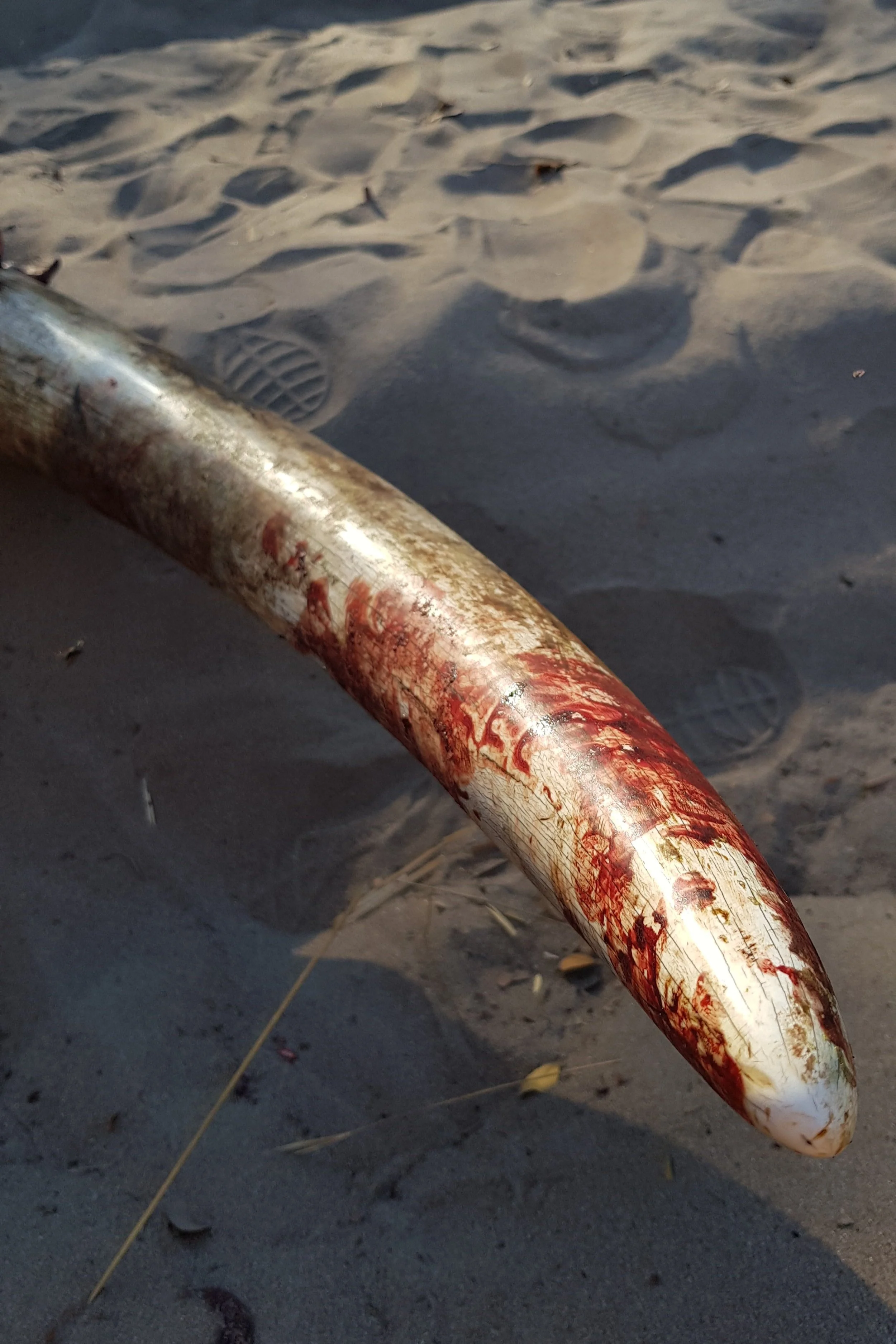
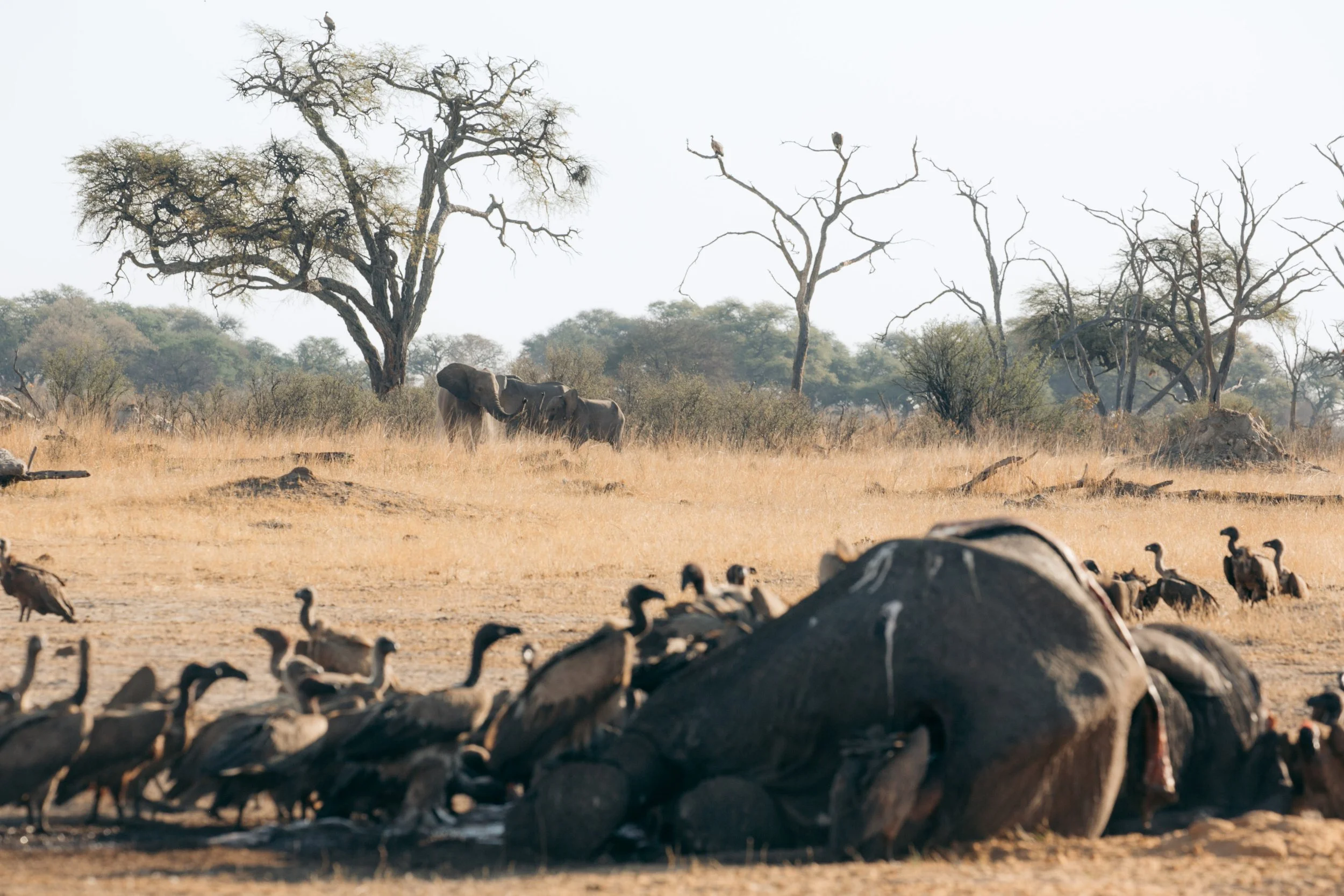
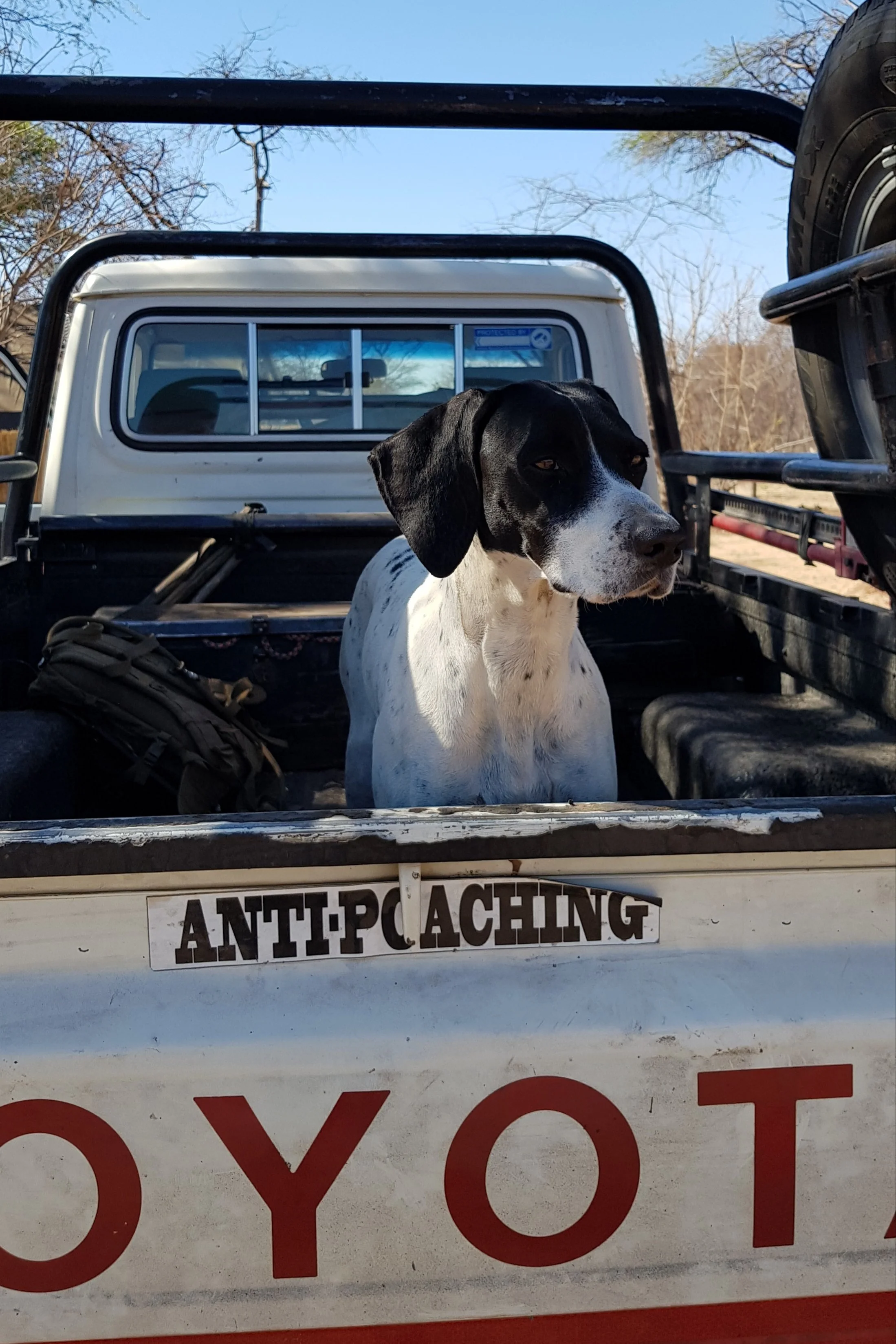
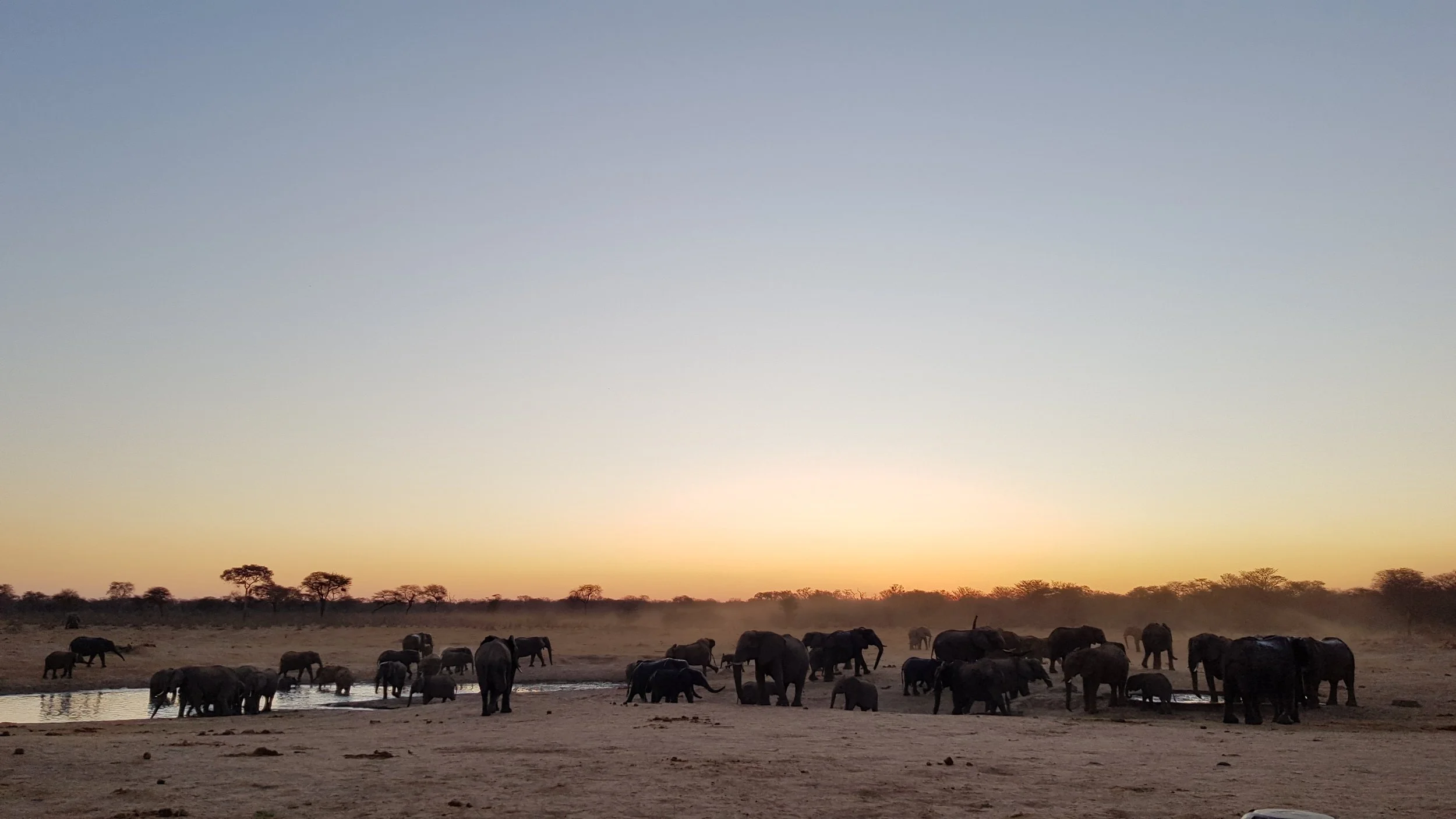
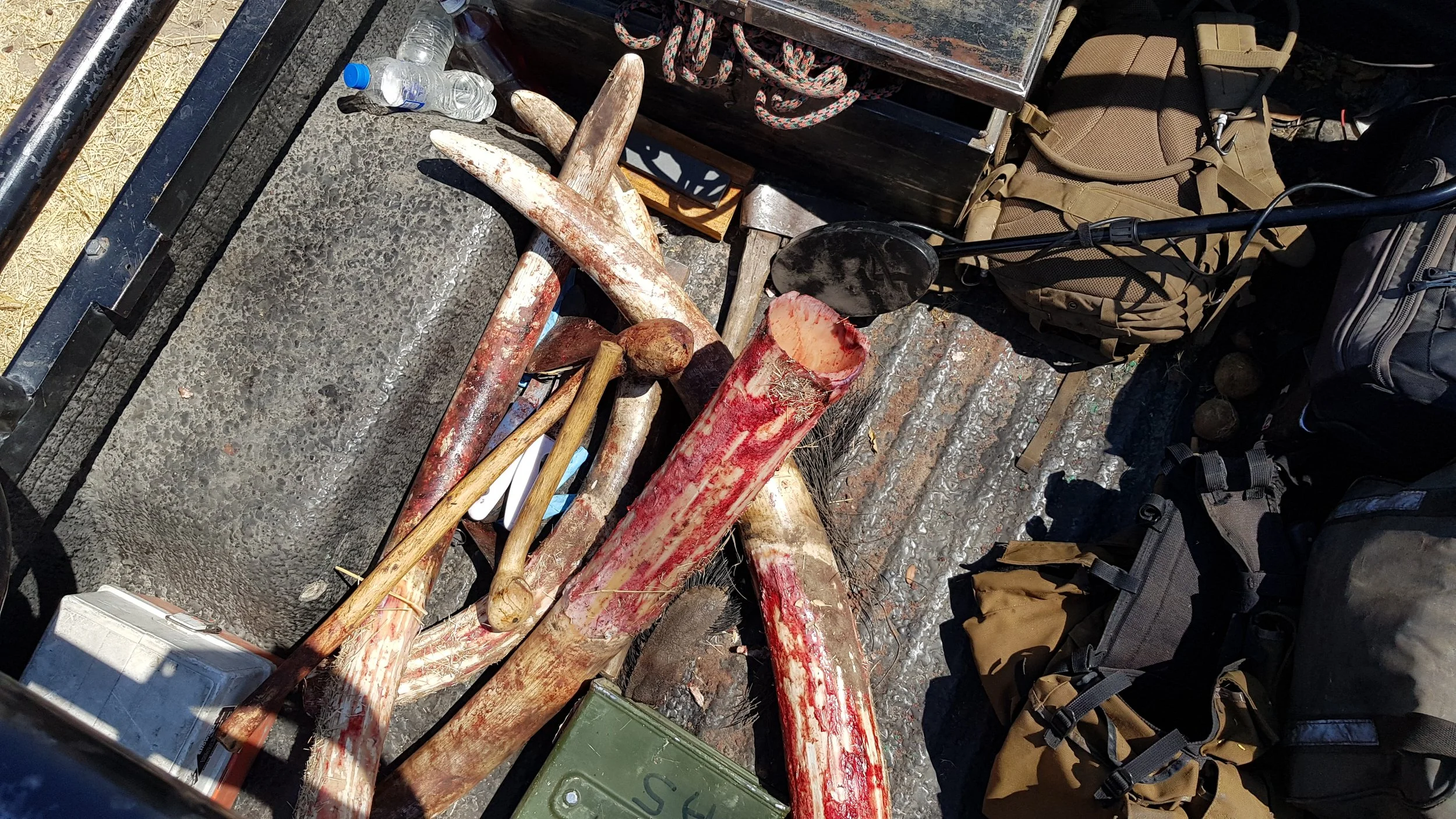
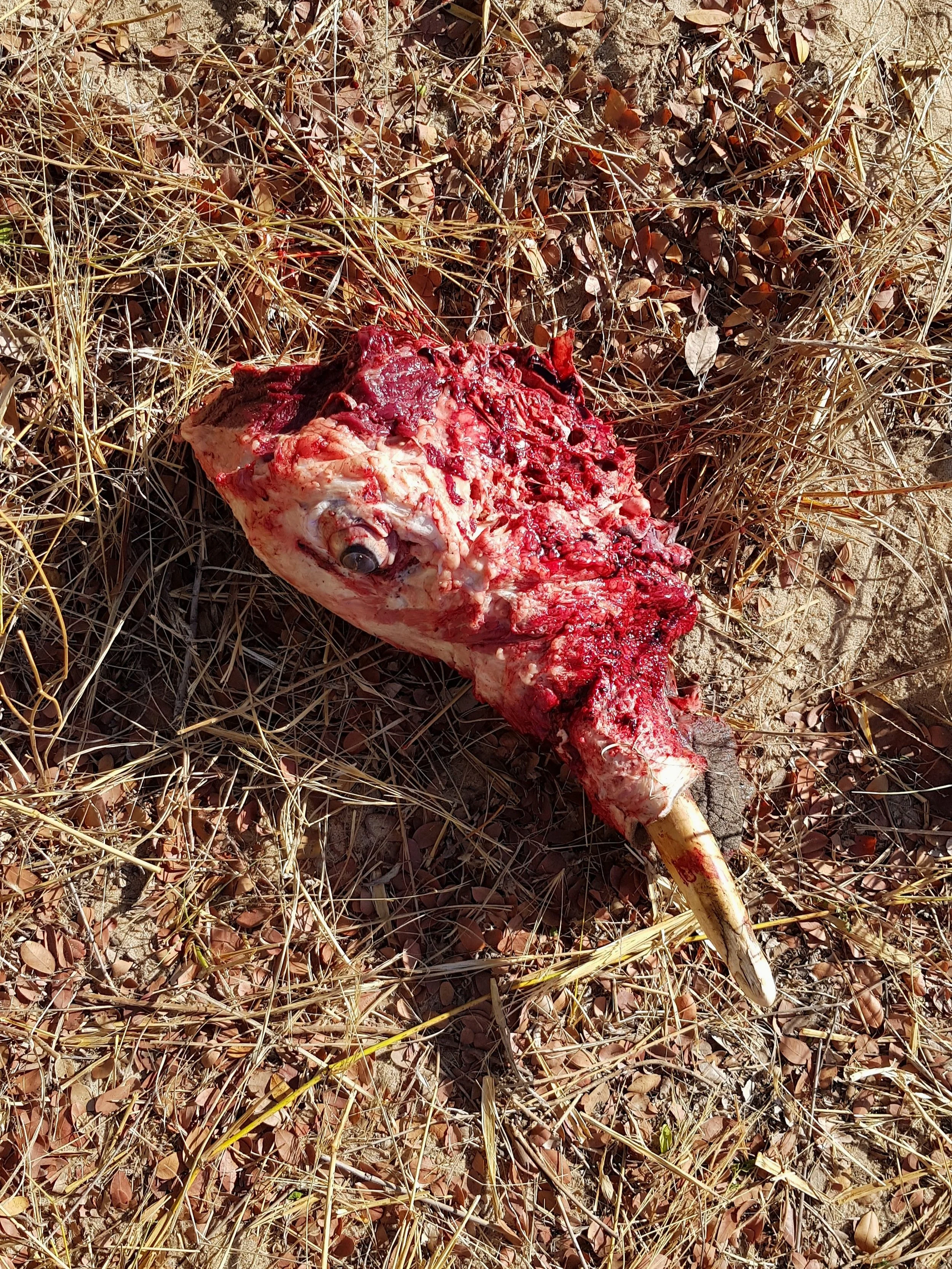
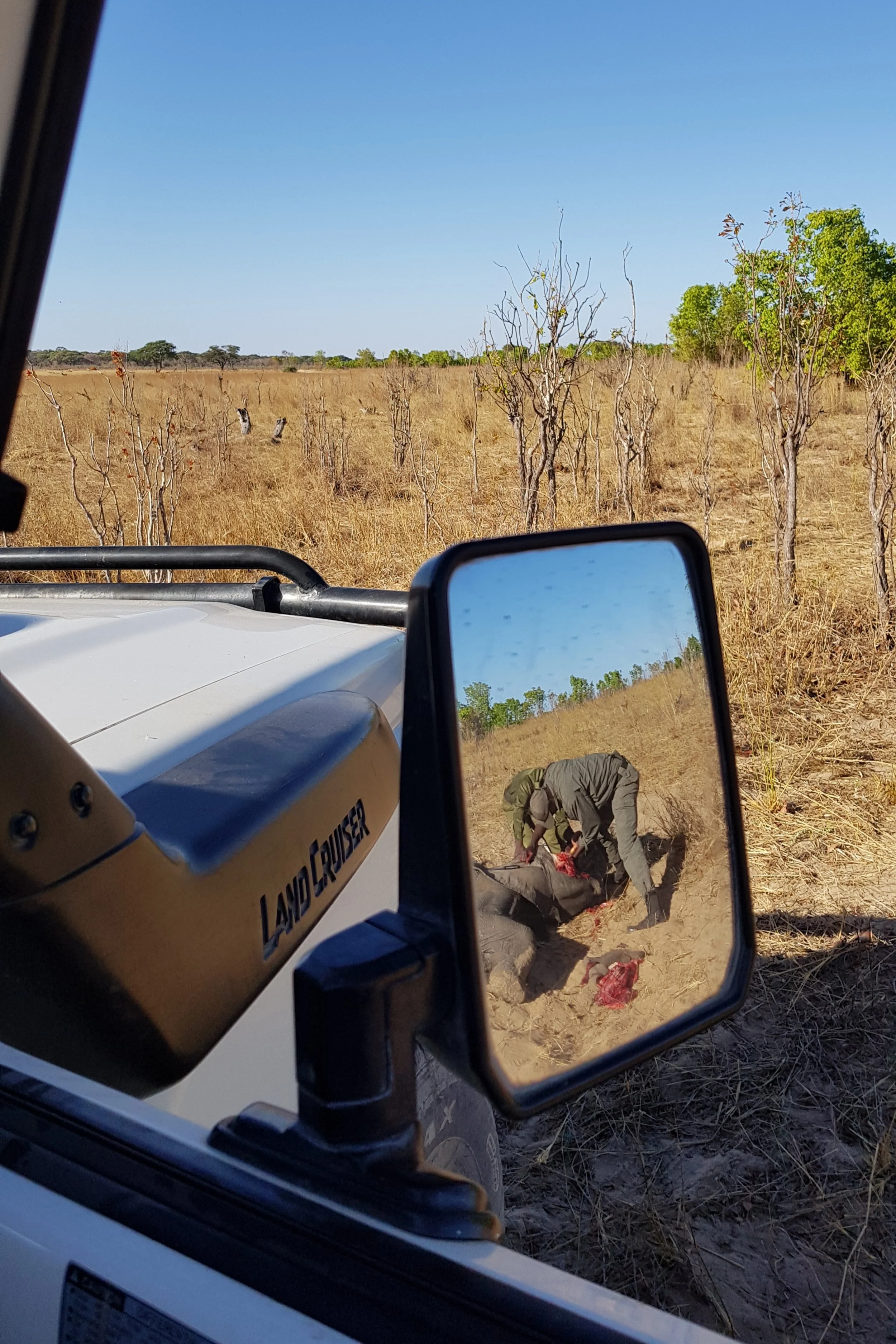
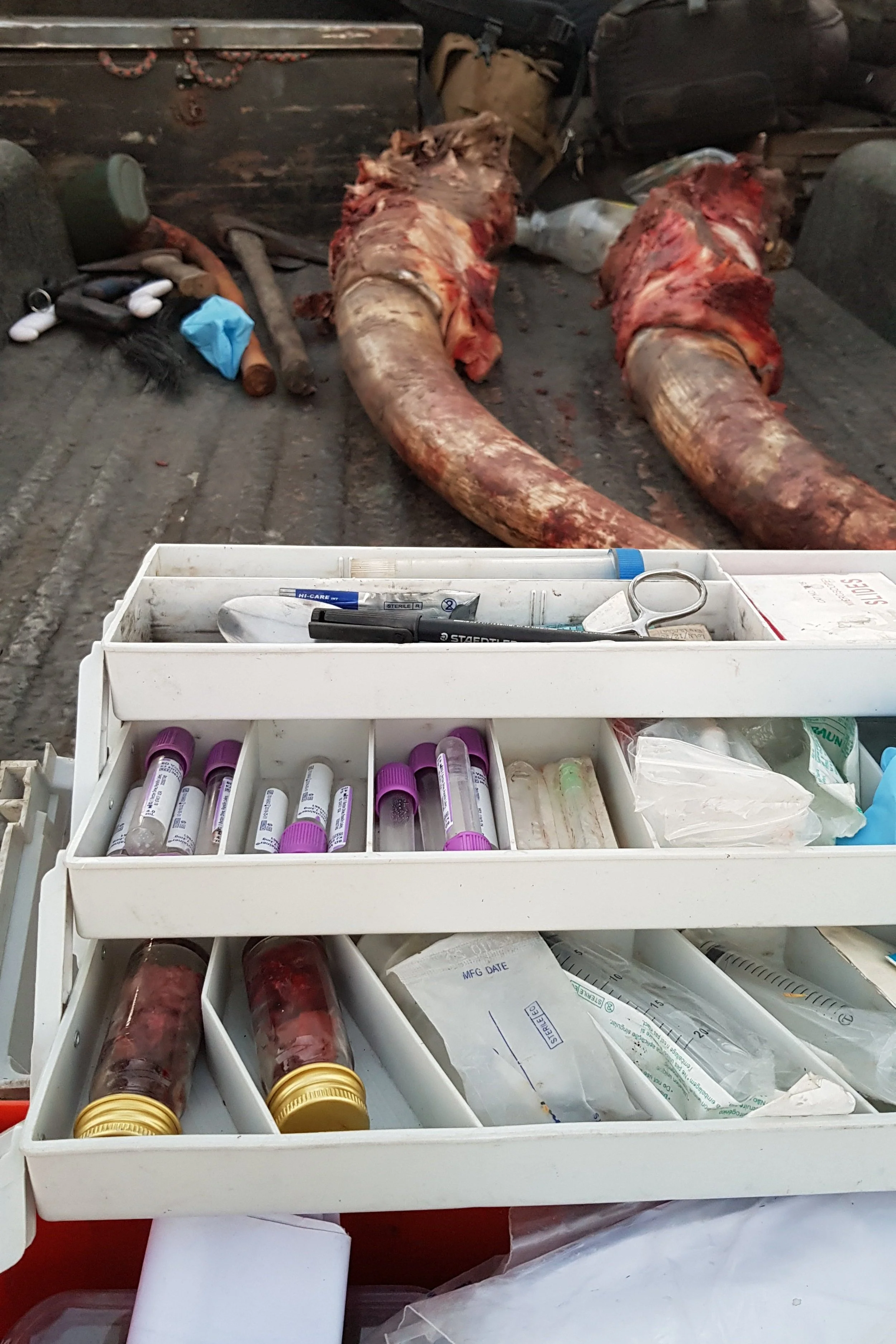
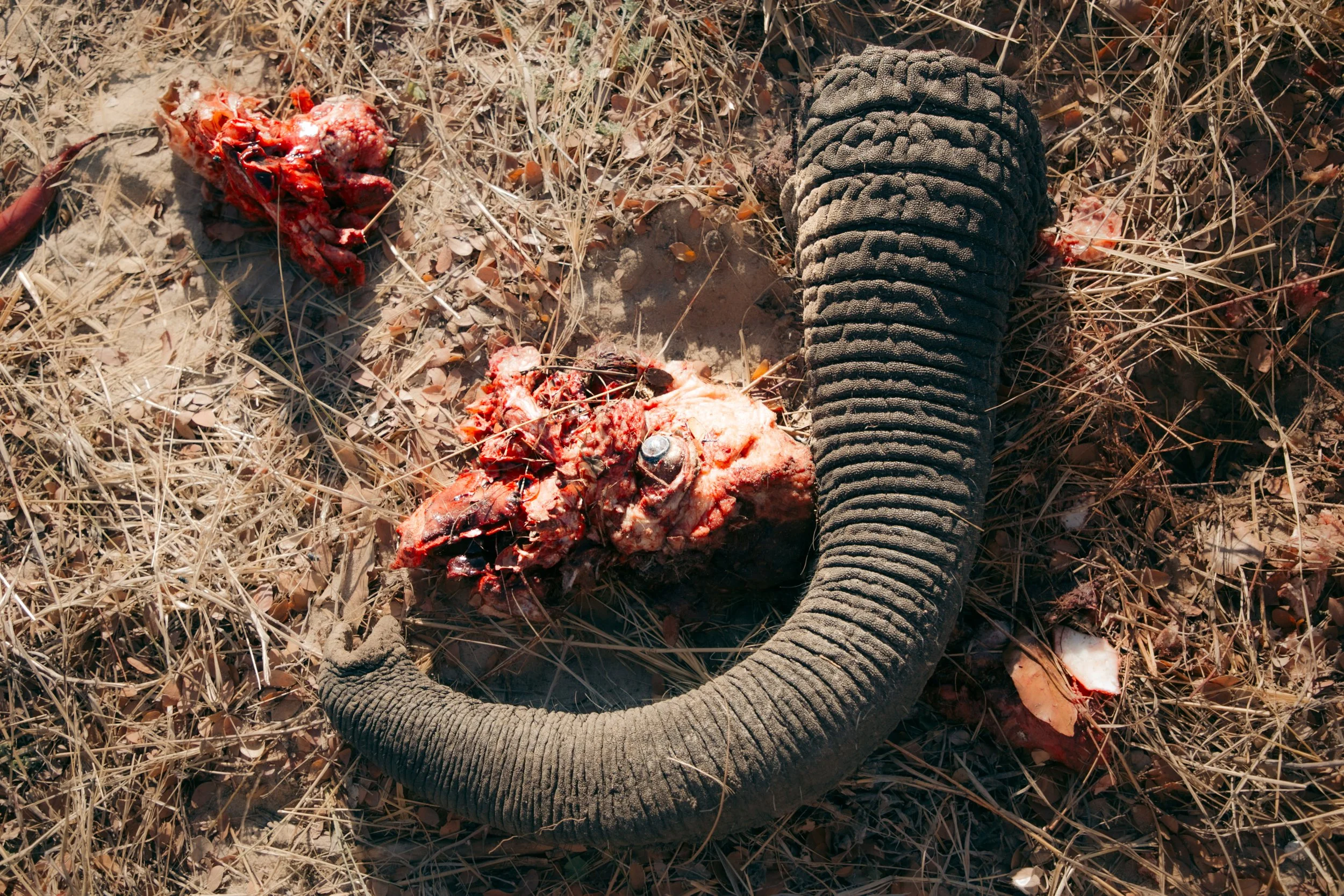
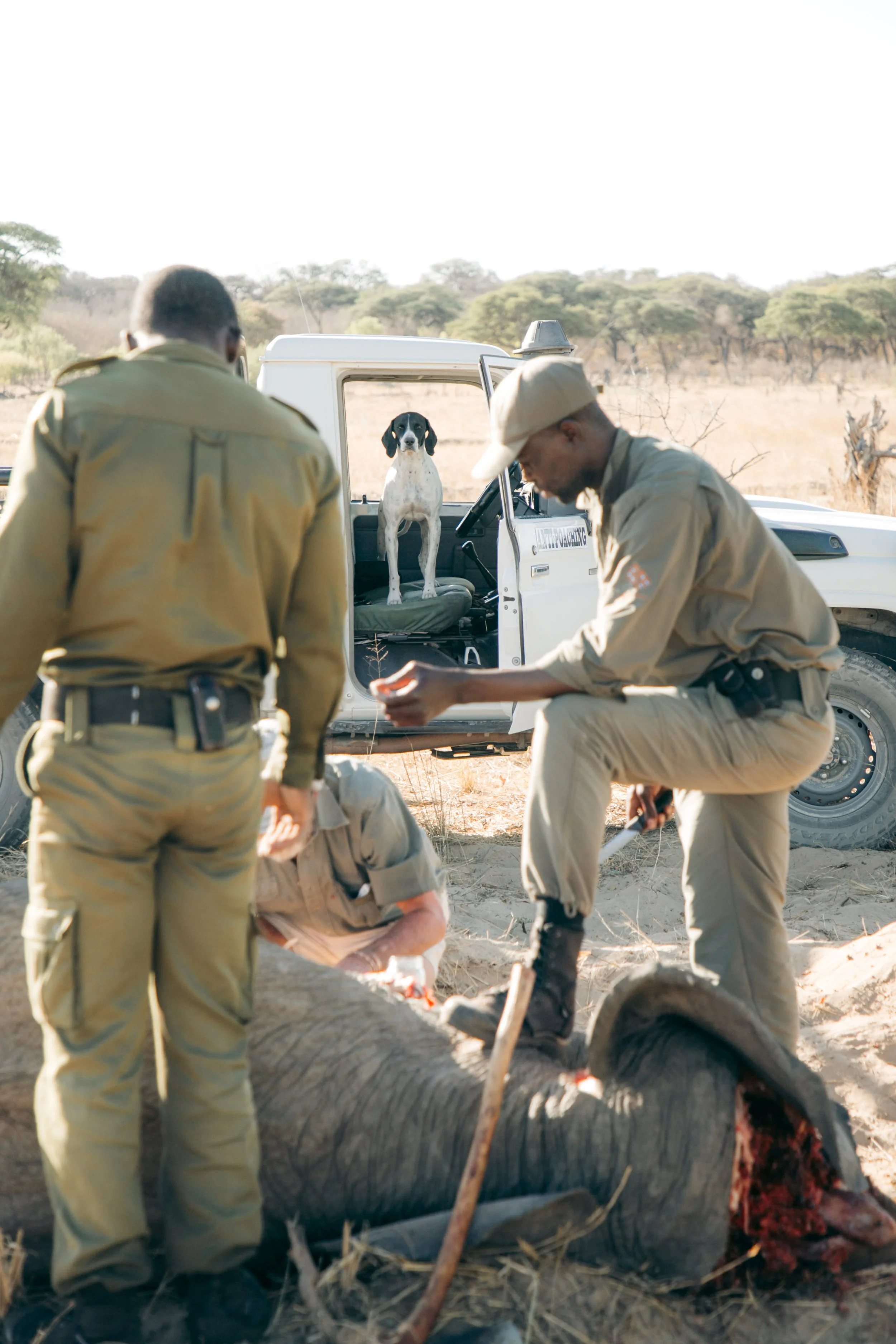
During time working with an APU team in a high-density elephant area, I was reminded of how easily intention can be eclipsed by performance. Resources were poured into creating the image of action. But when you peeled back the layers, it was hard to pin down what real change was being achieved.
And that’s the difficult truth: in conservation, aesthetics can sometimes outpace impact. For outsiders looking in, cutting through the noise to find work that’s not just visible, but valuable, is harder than it should be.
It’s a tension I mull over. Conservation is full of good intentions - but good intentions don’t always translate into good practice. And in a world where optics can overshadow impact, discernment has never mattered more.
A TRAVEL PHILOSOPHY
RHODES EXPEDITIONS
STORIES EXPLORE THE QUESTIONS. JOURNEYS ALLOW YOU TO EXPERIENCE THE PLACES WHERE THEY UNFOLD.
The ability to tell the difference between what is real and what is performed is the foundation of every journey we build, whether that takes you to the frontlines of conservation, the living rooms of historians, or the edges of landscapes most people never reach.
If this story resonates, you may find the journeys equally compelling.